
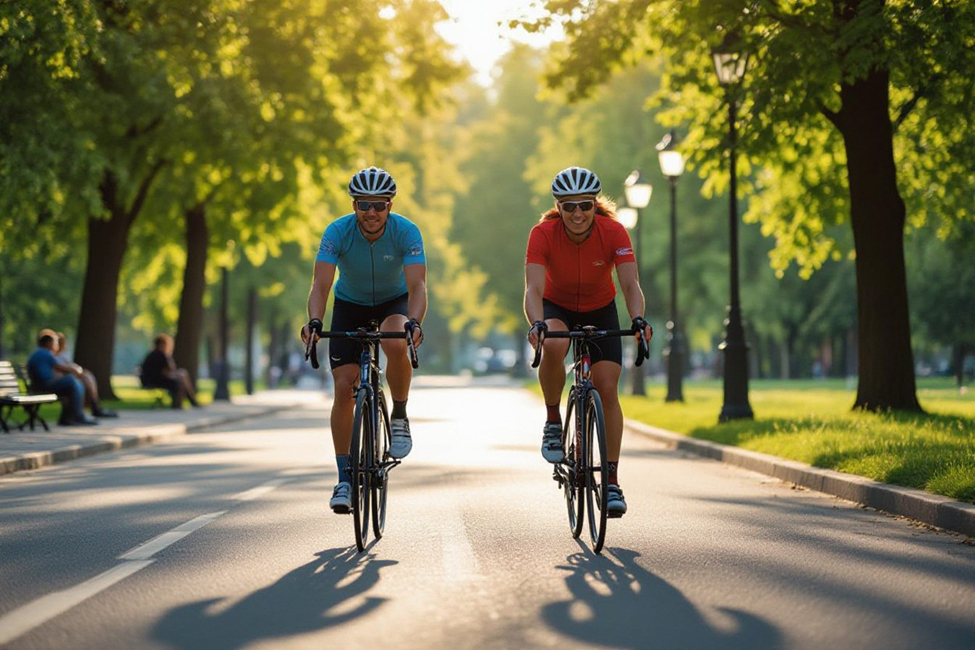
Many times you will boost cardiovascular fitness, leg strength and mental wellbeing by cycling daily, which burns more calories and builds endurance faster than walking while remaining low-impact. The best times are early morning or late afternoon; aim for 30–60 minutes (roughly 10–25 km) daily. For children pick shorter, supervised rides; adults can vary intensity; seniors should favor low-impact or e-bikes. Choose road, hybrid, mountain or e-bikes for terrain and always use a helmet, lights, reflective clothing and gloves.
Health Benefits of Daily Cycling
Physical Health Benefits
Daily 30–60 minutes of cycling strengthens your heart, lowers systolic blood pressure by about 5–10 mmHg over weeks, and burns roughly 200–500 kcal depending on pace and weight. Large cohort studies link regular cycling to a 20–30% reduction in cardiovascular events versus inactivity. Compared with walking, cycling delivers higher aerobic intensity per minute with less joint impact, letting you cover 10–20 km commutes to build leg strength, improve VO2max and maintain healthy body composition.
Mental Health Benefits
Regular cycling elevates mood by releasing endorphins and increasing BDNF; a 30-minute ride can boost cognition and reduce perceived stress for hours. Commuter surveys show cyclists report higher life satisfaction and lower anxiety than car commuters, partly from exercise and exposure to green space. You’ll also see better sleep quality and sharper executive function when cycling becomes a consistent habit.
Mechanisms include reduced cortisol, improved serotonin/dopamine balance and increased hippocampal BDNF, which together lower depression risk and sharpen memory. Short brisk rides of 20–40 minutes in the morning combine mood lift with sunlight-driven circadian benefits to improve alertness. For older adults, aim for at least 150 minutes weekly (or 30 minutes most days) and choose bike type—upright, hybrid or e-bike—and gear to match mobility and balance needs.
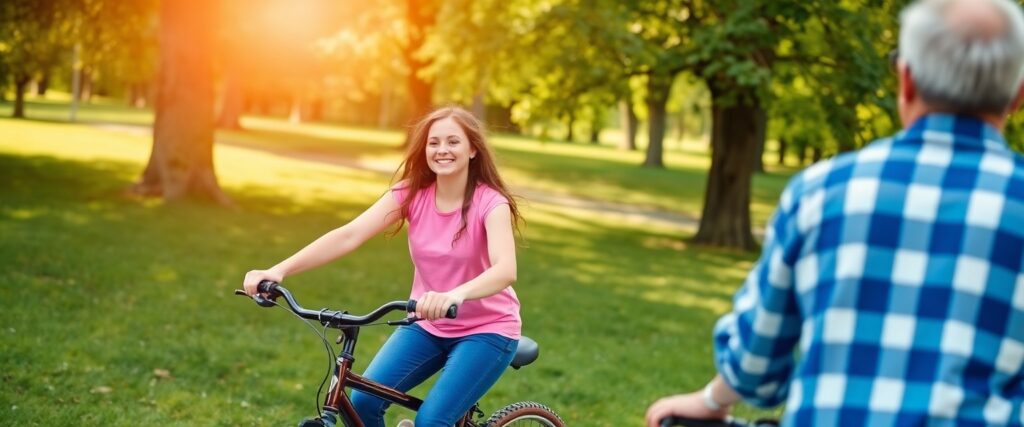
Cycling vs. Walking: A Comparative Analysis
| Cycling | Walking |
| Greater aerobic stimulus at similar perceived effort; 30–60 minutes at 12–16 km/h boosts VO2 and leg power. | Steady aerobic gains from brisk 30–60 minutes at 5–6 km/h; easier to start and integrate into daily errands. |
| Higher calorie burn per hour: roughly 400–700 kcal/hr depending on intensity and body weight; 45 min often equals 300–525 kcal. | Lower calorie burn: ~220–350 kcal/hr for brisk walking; 45 min typically 165–260 kcal depending on pace and weight. |
| Low-impact, non–weightbearing motion reduces joint loading; risks are usually overuse (knee/hip) from poor fit or excessive resistance. | Weightbearing with higher ground reaction forces; common issues include plantar fasciitis, shin splints and knee stress on hard surfaces. |
| Best times: early morning or late afternoon to avoid heat. Target 30–60 min daily (10–20 km) or ≥150 min/week; e-bikes extend range for seniors. | Best time: morning for activity boost and blood sugar control. Target 30–60 min daily (3–5 km) or ≥150 min/week; easy to split into short bouts. |
| Age/type/gear: kids—balance/bikes; adults—road, hybrid; seniors—e-bikes or step-through. Essential gear: helmet, lights, pump, reflective clothing. | Age/type/gear: kids—supervised walks; adults—supportive walking shoes; seniors—walking poles if unstable. Essential gear: good shoes, reflective vest, weather layers. |
Calorie Burn and Weight Management
You can accelerate fat loss faster with cycling at higher speeds because a 60‑minute ride at 16 km/h typically burns 400–700 kcal depending on your weight and effort, whereas a 60‑minute brisk walk at 5–6 km/h burns about 220–350 kcal. Interval cycling (e.g., 4×3 minutes hard with 3 minutes easy) increases post-exercise calorie burn and preserves muscle mass, helping you manage weight while improving cardiovascular fitness.
Joint Impact and Injuries
You’ll feel much less joint loading while cycling because pedaling keeps your feet on the pedals, removing repeated ground impact; that makes cycling a preferred option if you have knee or hip sensitivity. Typical overuse injuries arise from poor bike fit, excessive saddle height, or pushing too-high resistance—adjusting saddle height and cadence reduces strain and minimizes injury risk.
Clinical and practical evidence shows cycling reduces pain and improves function for many people with knee osteoarthritis compared with high-impact exercise. Aim for a cadence of 60–90 rpm to distribute load evenly—very low cadence with high resistance increases joint torque. Set saddle so your knee retains about 25–35° of flexion at the bottom of the stroke; this optimizes biomechanics and reduces compressive forces. Combine cycling with targeted strength work for quadriceps and glutes to stabilize joints and lower injury recurrence. If pain persists, lower resistance, shorten sessions to 10–20 minutes, or try an e‑bike to maintain cardiovascular benefit with less mechanical load.
Ideal Times for Cycling
Aim for early morning (5–8 AM) or late afternoon (4–7 PM) to avoid peak traffic and extreme temperatures; moderate rides of 30–60 minutes or roughly 10–20 km at 60–75% of your max heart rate deliver strong cardiovascular and metabolic gains. Short commutes of 15–25 minutes still improve daily activity totals, while longer 60+ minute sessions boost endurance and calorie burn—adjust duration by age and fitness, for example older adults may target 20–40 minutes at lower intensity.
Morning vs. Evening Rides
Morning rides increase alertness and, according to several studies, can improve post-meal glucose control—30–45 minutes of moderate effort may raise insulin sensitivity for hours afterward. Evening sessions often allow higher peak power and longer intervals because body temperature and muscle function are elevated; avoid maximal efforts within 60–90 minutes of your typical bedtime to prevent sleep disruption. Choose mornings for steady fat-burning efforts, evenings for tempo or interval workouts.
Seasonal Considerations
Summer sessions require hydration, sunscreen, and avoiding 11 AM–3 PM heat when temperatures exceed 30°C; spring and fall demand attention to wet leaves and variable winds, so lower speed on slick surfaces. Winter riding calls for layered breathable fabrics, visible lighting, fenders, and either wider tires or studded options when ice appears; adapt route length and intensity as daylight and surface conditions change.
Plan winter routes with daylight and shelter when temps fall below 5°C, equip a 300–800 lumen front light and a 50–100 lumen rear flasher for visibility, and carry a compact pump and spare tube. Reduce tire pressure by about 10–15% on wet or loose surfaces for better traction, use merino or synthetic base layers to manage sweat, and hydrate with ~500–750 ml per hour in heat while adding electrolytes for rides over 60 minutes.
Recommended Duration and Distance
Beginner Riders
You can begin with 15–20 minutes per ride at a comfortable pace and increase by about 10% weekly; aim for 30–45 minutes (5–15 km) within 4–6 weeks, riding 3–5 times per week. Early morning (6–8 AM) or late afternoon (4–7 PM) often offers cooler temperatures and lower traffic. Use a hybrid or commuter bike, wear a helmet and basic lights, and track perceived exertion rather than speed at first.
Advanced Cyclists
You should target 60–120 minutes per session or structured rides of 30–80 km depending on goals, with weekly mileage often between 150–400 km for endurance cyclists. Include 1–2 interval or threshold sessions per week (e.g., 6×3 minutes at high effort with equal recovery) and maintain cadence around 80–100 rpm. Use a road bike or performance gravel bike and prioritize saddle fit, power meter or heart-rate data for progression.
- Start low and progress weekly by ~10% in time or distance.
- Beginners: 3–5 rides/week, 5–15 km each; Advanced: 5–7 rides/week, 150+ km total.
- Mix steady endurance with one interval session and one long ride per week.
- Best daily windows: 6–8 AM or 4–7 PM for temperature and air quality.
Duration & Distance Recommendations
| Category | Recommendation |
|---|---|
| Age 18–40 | 30–90 min/day or 10–50 km; road or gravel bike; prioritize volume for fitness gains |
| Age 41–65 | 20–60 min/day or 5–30 km; hybrid or gravel preferred; focus on recovery and cadence |
| 65+ | 15–45 min/day or 3–15 km; e-bike or comfort bike; emphasize balance and lower intensity |
| Commuting vs Training | Commuting: 20–45 min; Training: 60–120 min with intervals and long rides |
| Essential Gear | Helmet, lights, padded shorts, pump/repair kit; power or HR monitor for progression |
For advanced cyclists seeking performance gains, periodize your weeks: one long ride (2–5 hours), one interval session (VO2 or threshold work), two easy recovery rides, and strength or mobility work twice weekly; aim for 10–20% of total weekly volume in high-intensity efforts and adjust based on fatigue and race or event schedule.
- Structure weeks: long endurance, quality interval, recovery rides, plus strength work.
- Weekly targets: base phase 150–300 km; build phase 250–400+ km depending on goals.
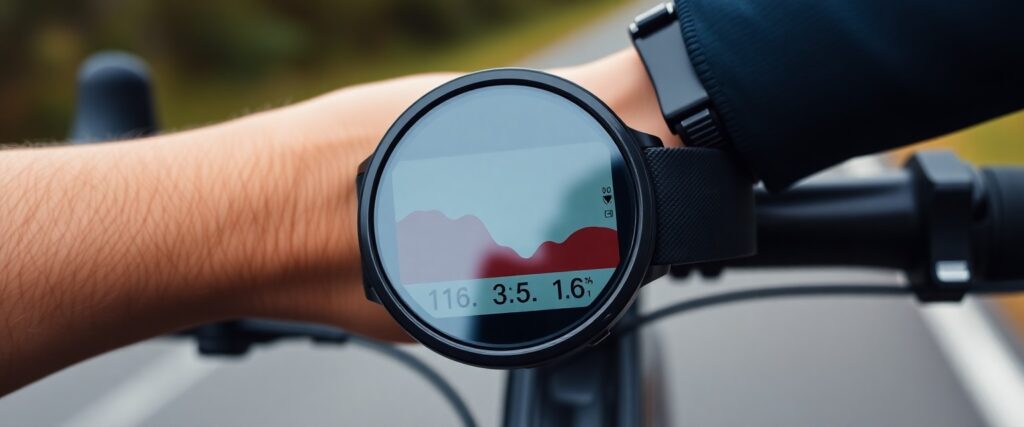
- Use objective metrics: power, heart rate, and weekly TSS/CTL to guide increases.
- Prioritize sleep, hydration, and nutrition around longer sessions to sustain volume.
Advanced Training Focus
| Training Element | Details |
|---|---|
| Intervals | Examples: 6×3 min VO2 with equal recovery or 3×12 min threshold at 88–92% FTP |
| Cadence & Power | Target cadence 80–100 rpm; use power zones to quantify efforts |
| Weekly Volume | 150–400+ km depending on target events; include one 2–5 hour long ride |
| Recovery | 2 easy days or active recovery rides; monitor HR variability and perceived fatigue |
| Equipment | Road/gravel bike, power meter, aero or endurance setup based on event type |
Age Considerations in Cycling
Young Adults
As a young adult (roughly 18–35) you can push for higher-intensity work and longer rides: aim for 30–60 minutes daily or 15–30 km at 12–25 km/h, and include 1–2 interval sessions weekly (for example 8–10 sprints of 20–30 seconds with 60–90 seconds easy recovery). Road or gravel bikes suit speed and variety; use clipless pedals, a fitted helmet, and lights. Cycling typically burns ~200–500 kcal per 30–60 minutes versus ~120–300 kcal for walking the same time, so you get stronger cardio gains per session.
Seniors
If you’re over 60, favor low-impact, stable options: step-through or hybrid bikes with wider tires (32–45 mm) and upright geometry reduce fall risk and strain. Target 20–45 minutes most days or 150 minutes moderate activity weekly at a comfortable 10–16 km/h, and consider pedal-assist e-bikes to maintain cadence without overloading the heart. Prioritize helmet, visible lights, and routine balance work off the bike to protect joints and improve confidence.
Add specific practice and progression: start with 10–15 minute rides and increase duration by about 5–10% weekly, keep cadence around 60–80 rpm, and pair rides with two weekly strength or balance sessions (single-leg stands, resisted band work). Consult your clinician for chronic conditions; many seniors report moving from short neighbourhood loops to consistent 30–40 minute rides within 6–8 weeks when following gradual progression and using an upright, well-fitted bike.
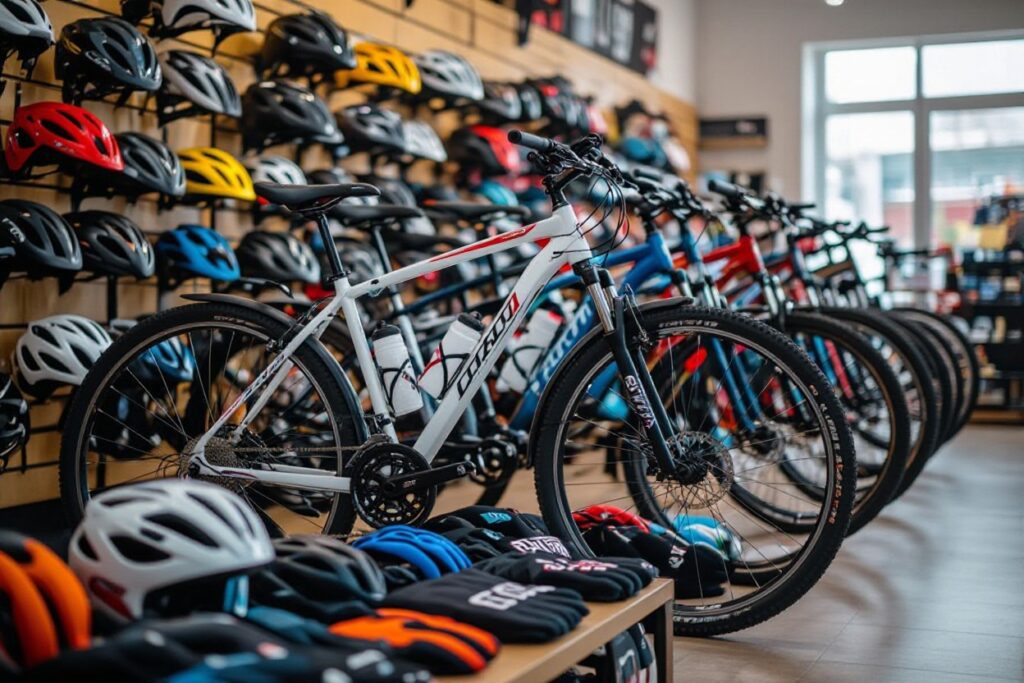
Types of Bicycles and Gear Requirements
| Road Bike | 700c wheels, narrow tires 23–32 mm, 80–120 psi, lightweight frame (7–9 kg), geometry for speed and efficiency |
| Mountain Bike | 26–29″ wheels, wide tires 2.0–2.6″, 25–40 psi, 100–160 mm suspension travel, durable frame for trails |
| Hybrid | 28″ wheels, tires 32–40 mm, 40–70 psi, upright posture, fenders and racks for commuting |
| Commuter/E‑Bike | Integrated lights and racks, motor 250–750 W, battery range 30–80 km, assists you on hills and long commutes |
| Gravel/Cyclocross | 700c or 650b, tires 35–50 mm, disc brakes, mixed‑terrain gearing (34/50 chainrings, 11–42 cassette) |
- Certified helmet (CPSC or EN1078)
- Front light 200–1000 lumens, rear flashing light 20–200 lumens
- Mini pump or CO2, spare tube matching valve type
- Multi‑tool, tire levers, patch kit
- High‑visibility clothing and reflective gear
Road Bikes vs. Mountain Bikes
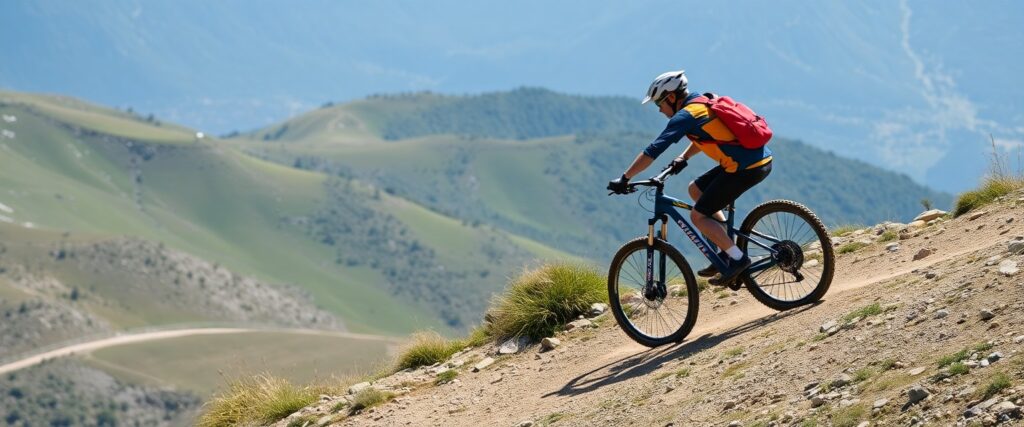
You’ll notice road bikes favor speed with lightweight frames, 700c wheels and tire pressures around 80–120 psi for lower rolling resistance, ideal for 20–100 km rides at 20–30 km/h; mountain bikes use 26–29″ wheels, wider tires at 25–40 psi and 100–160 mm suspension to handle technical trails of 10–40 km, where traction and control outweigh outright speed.
Essential Gear and Safety Equipment
You should carry a helmet that fits (two fingers above brow), front light 200–800 lumens for dawn/dusk, rear flashing light, a mini pump or CO2, spare tube matching Presta/Schrader valve, multi‑tool and high‑visibility clothing; gloves and eye protection reduce abrasion and debris risk, and a simple mirror or phone mount improves route awareness.
You can optimize safety by matching gear to ride type: on road rides use higher‑lumen beams (400–1000 lm) for night visibility and pump with a pressure gauge; off‑road choose wider tubes (27–29 mm) and run 25–40 psi to prevent pinch flats, plus a trail‑specific helmet with MIPS for rotational impact protection. Carrying a chain quick‑link, 12–18 g CO2 cartridge or compact hand pump, and a small first‑aid wipe kit reduces downtime—practice a quick tube change at home to shave minutes off roadside repairs and aim to service brakes and headset every 500–1,000 km.
Thou must inspect lights, brakes, and tire pressure before each ride.
Final Words
Ultimately you gain stronger cardiovascular fitness, muscle tone, and low-impact joint health by cycling daily; it generally offers greater intensity and calorie burn than walking. Aim for 30–60 minutes most days (or about 10–25 km) and ride in the cooler morning or late afternoon when traffic is lighter. Adjust intensity by age—gentle rides for seniors, intervals for younger adults, playful rides for kids—and choose a suitable bike (road, hybrid, mountain, e-bike) and necessary gear: helmet, lights, reflective clothing, proper saddle and tire pressure for safety and comfort.